
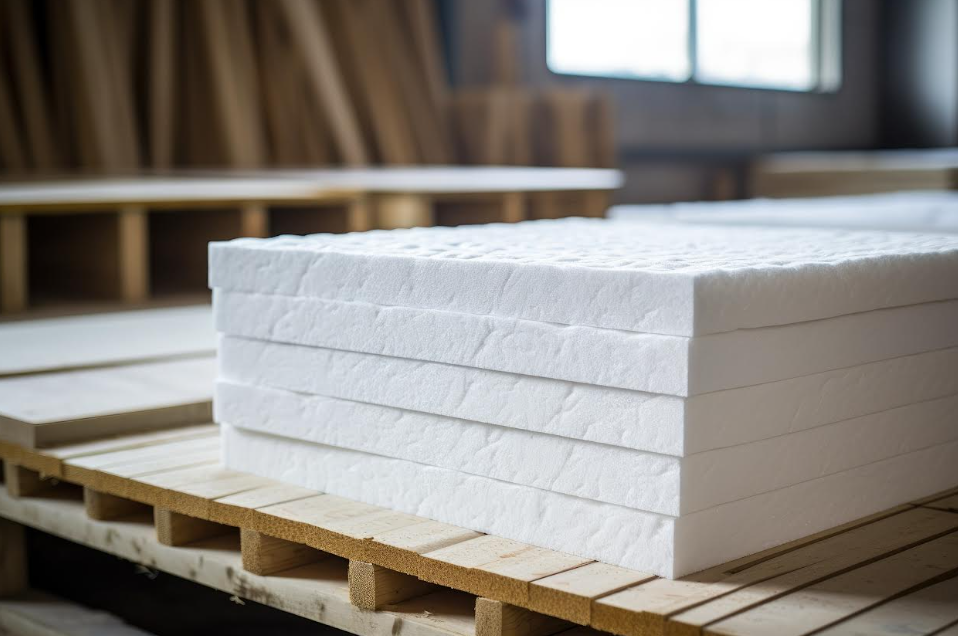
That white foam keeping your new television safe during shipping does a lot more than cushion electronics. EPS, also known as expanded polystyrene, has become surprisingly common in a wide range of industries. Engineers and builders are constantly finding new uses for it. The foam’s odd combination of strength and lightness opens doors that other materials can’t touch.
Construction and Architecture Take Flight
Remember those foam coolers from beach trips? Now picture the same material holding up an entire highway. Construction crews pack huge EPS blocks under roads and bridges as fill material. Here’s the thing about regular dirt fill: it’s heavy. Really heavy. It crushes pipes underneath and makes the ground sink over time. EPS blocks weigh next to nothing compared to soil. A block the size of a refrigerator might weigh what a bag of dog food does. A good EPS supplier like Epsilyte can custom cut these blocks to fit exact project specifications, saving contractors time and labor costs on site.
Movie studios and theme parks love this material too. That massive castle or ancient temple you saw? Probably carved foam with a hard coating slapped on top. A couple of workers can lift what looks like a thousand-pound stone column.
Marine and Transportation Solutions
Boats and docks float better with EPS inside them. Marina owners stuff their floating platforms with the foam because water can’t soak through it easily. Even after twenty years bobbing in salt water, it still floats. Puncture the outer shell? No problem. The foam keeps doing its job.
Car companies hide EPS all through your vehicle. Behind the bumper, inside the doors, under the dashboard. When accidents happen, these hidden foam pieces crumple up on purpose. They soak up the crash energy so your body doesn’t have to. Race car builders use EPS between carbon fiber for lightweight, impact-resistant panels.
Agricultural and Food Industry Innovation
Farmers grow lettuce in EPS beads now. Hydroponic farms discovered these little foam balls work great as soil replacement. Plant roots grow through them easily. Water drains perfectly. Best part? You can use the same beads for years, just rinse and replant.
Fish caught in Alaska reaches restaurants in Miami still fresh, thanks to EPS shipping boxes. These containers hold temperature so well that ice barely melts during the trip. Drug companies ship vaccines in similar boxes. Some medicines spoil if they get too warm or too cold. The foam keeps everything just right for days.
Environmental and Emergency Applications
Cities deal with flooding by hiding EPS structures under parking lots. Picture a honeycomb of foam chambers beneath the asphalt. Rainwater flows into these spaces instead of rushing into storm drains all at once. The collected water seeps slowly into the ground over several days.
After hurricanes hit, relief workers truck in flat-packed foam shelters. These things unfold and lock together fast. Families get a waterproof place to sleep while their homes get rebuilt. The shelters handle scorching heat and freezing nights equally well. Armed forces use the same idea for setting up quick bases. Foam buildings go up faster than tents and last much longer.
Conclusion
Every month, someone figures out another way to use expanded polystyrene. Finding the right EPS supplier helps companies create solutions nobody thought possible ten years ago. This foam shows up everywhere from earthquake zones to organic farms to NASCAR tracks. The cheap white stuff protecting your new computer might tomorrow become part of a bridge, a greenhouse, or an emergency hospital. Industries keep pushing boundaries with EPS because the material itself doesn’t seem to have many. What started as basic packaging turned into one of the most flexible problem-solvers in modern manufacturing.


More Stories
Unlocking the Hidden Levers: 5 Unconventional Strategies to Skyrocket Your Business Growth
The Future-Proof Business: Thriving in the Age of AI and Disruption
Crafting Tomorrow: Innovative Business Strategies to Outpace the Competition